
Written by Jill Roselieb
It’s the end of May, 1993, and I’m locked behind a bathroom stall crying. I just said goodbye to my beloved sixth-grade class at the end of a year-long substitute teaching gig, my first real job. Now what? There was a budget crisis, a lot of RIFs (reduction-in-force), and I was unemployed.
Fast forward to May of 2026. While I’m not there yet, the date is certainly on the horizon, and I’m starting to panic that my last day of teaching will most certainly resemble that 1993 scenario.
Why? It’s teaching! We do life with our colleagues; they aren’t just counterparts, they’re family. We’ve weathered the extreme pendulum swings of education, blundering principals, dysregulated children, marriage, divorce, kids, and countless other peaks and valleys of life. Now what?
Throughout my career, there have been so many trends, not all of which were “good” for children, but they were life lessons nonetheless. I started out year two in the same district as an elementary school K-4 reading specialist who didn’t have the specialty just yet. Year two, for heaven’s sake! I was enrolled in classes through the University of Illinois and Marycrest International University. What could possibly go wrong? Um, a lot!
In the 1990s, “basal” reading was the enemy: uninspired stories, highly scripted workbooks, and diluted vocabulary lessons. At a time when job offers were at a premium, many times there were 300-400 applicants per job. I liked to joke that basal textbook companies employed teachers that couldn’t get jobs.
In this new role, I was supposed to pull kids from class, but most teachers just wanted an extra set of hands to finish their art projects (God knows I messed those up!) or to sit with students who were prone to misbehavior. I cried most nights after leaving from being told, on multiple occasions, that I didn’t have a “real” job.
Whole language reigned supreme, and it came with its own pitfalls. While thematic units, meaningful texts, and a love of reading made school a mecca for students and teachers, phonics, spelling, and key mechanics took a back seat, many times being left behind altogether.
As long as things looked good, they were good…right? Hallways were turned into “jungles” for rainforest study, and a look good, feel-good era ensued.
One of the few exceptions to this era was my foray into Reading Recovery, a one-to-one program for the most struggling learners. Each highly structured lesson featured repeated readings to build fluency, word and letter work, writing, and the introduction of a new book. There were pitfalls, sure. Students were supposed to accelerate and “graduate” within a few short months, and the district paid top dollar for continuous monitoring from outside people to make sure that the program was done with fidelity. Thus began my love/hate relationship with school administration. In this case, love prevailed.
We had an amazing curriculum director that listened to those of us entrenched in the process of “fixing” non-readers. He helped us write our own grants to continue the Reading Recovery practices that worked, and he cut loose the big brother oversight that wanted to micromanage every facet of the program. He trusted leaving us to use our professionalism and practice to actually help kids master reading. Glorious!
Nothing lasts forever, and education is always in hot pursuit of the next best thing. If you can do things differently, you should, and often. No matter what the data shows.
No Child Left Behind arrived in 2001, and even before then, state test scores ruled all. Our reading programs now focused on the “bubble kids” that would quickly show growth, and we put the kids that would become the “lifers” in small groups, telling ourselves that at least we still were able to give them services. And that practice has gone back and forth, and will continue to go back and forth, likely until the end of time.
In the late 1990s and early 2000s, computers gained real traction in the educational setting. Our Title I budgets were spent on banks of computers (our choice), and online learning began. If I could turn back time, ugh!
What began as a novelty to spark academic interest has helped create a generation of students who struggle to sustain attention or self-monitor. Learning has become much more passive, reading stamina has decreased, and social-emotional regulation has been negatively impacted. Why? When kids have access to everything, teachers are once again forced into the role of entertainer.
In the late 2000s, I transitioned back into the classroom teaching sixth-grade language arts. Education was now guided by strict scope and sequences. Standards had to be posted, followed, and pushed through at a relentless pace. No. Matter. What.
Dysregulated students, high-stakes testing, and content far beyond students’ readiness—just differentiate and everything will be fine. Admin started scheduling impromptu pop-ins to classrooms ensuring that 100% of students were actively engaged, kneeling down to ask individual students to ask, “What are you working on?”
As I wrap up a career spent teaching and caring for students— often metaphorically with one arm tied behind my back, balancing on one leg while juggling— I wonder how education can find its footing again. We currently have higher class sizes than ever, and learning gaps that span K-12 abilities, all in each 40 minute class, with more learning that needs to take place than time allows. Teachers are leaving midyear, and our youngest, brightest teachers have left in droves for better opportunities.
What would I suggest? A balanced approach to teaching children. Quality content, conscientious planning, and methodical practice while allowing time— real time— for students to digest and devour books and concepts. We need lifelong learners who are hungry for knowledge, not passive resisters who are pushed through hoops kicking and screaming. The world is changing, and students need the skills to pivot to jobs that have not yet been invented.
And while we’re at it, if I ran the world, administrators would get out of the ad building and the front office. Adopt a school. Adopt a hallway. Jump into classrooms to help. Job share. Know what’s actually happening. Stop tiptoeing around problems and acting shocked when concerns arise. Be boots on the ground. If education is going to change, admin would stop patting themselves on the back and get to work.
Curriculum changes shouldn’t be decided by a zero-to-five vote from a “committee.” Change starts with educators. And politicians—if you make policy, walk the walk. Substitute teach. Stop chasing easy fixes through high stakes testing companies. Put kids first. Period. Our future depends on it.
May 2026 will be the end of my teaching era. Now what? As a fourth-generation teacher and a public servant to the district where I received my own education, I’m feeling both nostalgic and lost. Everyone wants to leave their workplace better than they found it. It is with profound hope that my passion for what is right and true in education will resonate with those I leave behind who are still serving our greatest resource: the students.
After all, isn’t that what teaching is all about?
About the Author
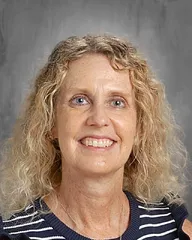
Jill Roselieb is a 33-year veteran teacher from the Illinois Quad City area. She has maintained a passion for asking “why,” which has served her well in navigating the highs and lows of modern-day public education.
In retirement, Jill hopes to remain connected to the educational community through tutoring students in need and occasionally stepping back into the role of substitute teacher. Family time and beach time will also reign supreme as she rides off into the proverbial sunset.
We are pleased to share this guest post from a veteran educator whose decades of classroom experience offer thoughtful perspective on the realities of teaching and the evolution of public education.
Jill’s reflections resonate strongly with educators, counselors, and school leaders who are committed to supporting students while navigating ongoing changes in schools.
At Research Press, we are committed to supporting educators and counselors with practical, research-informed resources that help students thrive.